
As far as evidence goes, archeological and historic evidence can’t be decisive either way. The word “cross” is the New Testament, can translate as “an upright stake”. However, the evidence of a cross-beam, being used in conjunction with an upright stake, is not disputed as a common form of crucifying someone under Roman execution.
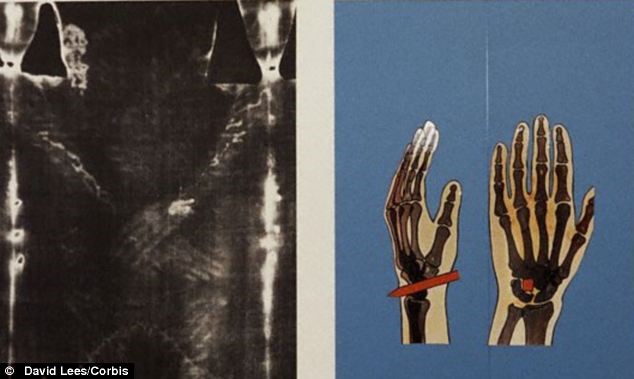
Archeology has revealed that people were killed by the Romans with the type of cross-beam methodology most commonly associated with Jesus’ death. One interesting piece of evidence which displays clear evidence of a cross-beam style execution, is the Shroud of Turin. This is the alleged burial shroud of Jesus that has been exhaustively examined. We’ll never know if this is in fact the actual shroud/cloth that Jesus’ body was wrapped in after He was killed, but regardless, it was a shroud that certainly covered the body of a man killed under Roman execution during the era of Jesus’ life. The evidence on this shroud demonstrates a cross-beam style cross execution in that the blood draining from the nail wounds of the hands runs down the forearm towards the elbow. These facts indicate that the hands were fixed at an elevated position, where gravity would run the draining blood down his arm toward his body.
Picture of the gravitational blood flow of a person whose hands were higher than his shoulders.
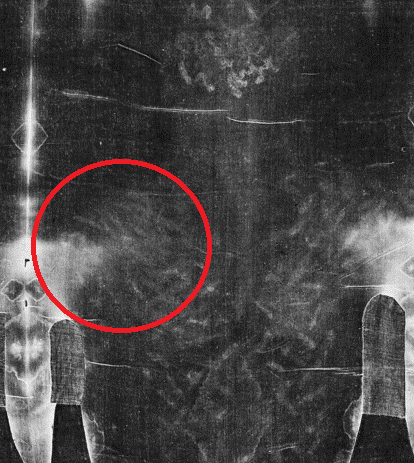
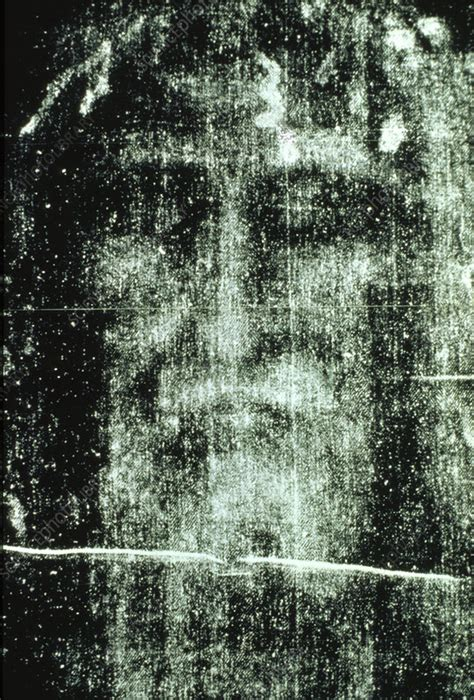
On a side note, the Shroud of Turin highlights many details that lend people to believe it was indeed Jesus’ burial shroud; the blood evidence around the brim of the victim’s skull, which may indicate multiple piercings from a crown of thorns, placed on his head. The piercing in the side of the victim (which was how the Roman soldier determined that Jesus was in fact dead, when he pierced his side with a spear and water and blood came out separately). Roman coins of the era placed over the eyelids of the victim. The whip lashings on the back, as were common, yet also true of Jesus’ execution. All these and more make the piece fascinating and at least worthy of speculating if it was Jesus or not. In any case, it’s affirming on a cross-beam style execution.
Evidence of the “39 lashes” commonly given by the Roman executioners/torturers before a victim might be crucified. Other closer images highlight the barbell shaped metal pieces attached to the leather thongs that were used to lash victims.
Blood flow coming down and around the head of the victim, indicating multiple piercings around the brim of his skull, possibly a crown of thorns type impalement.
Beyond the Bible, other historians of the era, Tacitus, Josephus, the Talmud, and Lucian all mention that Jesus was crucified. None write anything regarding being nailed up on a single upright wooden pole.
The early Christian Church knew that the Bible warns that the cross of Christ is offensive to most people (1 Corinthians 1:18 & Galatians 5:11). We know that today, as well, which gives rise to the question, “Why would anyone claiming to be Christian object vehemently to the design of the instrument of torture used to overcome sin, death and the devil?” The whole point about the death of Christ hinges on Who it was Who hung there, and why. Debating the shape of the instrument of torture totally detracts from the immensity of what Christ’s death amounted to by way of his agonizing suffering for sinners, and how it achieved salvation for repentant sinners trusting in that awesome provision.